Patio and Walkway Installation in Pequot Lakes, MN
A patio or walkway shouldn’t feel like an “add-on.” It should feel like it was always meant to be there—clean transitions, comfortable footing, and a layout that matches how people actually move through the space. When it’s right, you don’t notice it much. You just use it.
When it’s wrong, you notice every time you step outside. A corner that’s settled. A paver that rocks. Water that pools and turns into ice. Edges that drift outward season after season. This is usually where people run into problems, especially once winter has a chance to work on the base.
Patios and Walkways in Pequot Lakes, MN have to handle real conditions: freeze-thaw movement, snow loads, spring saturation, and heavy rain in the warmer months. That’s why good work isn’t only about the surface pattern or the color of the stone. The foundation matters. Grading matters. Restraint matters.
At CJ’s Landscaping Company LLC, we build Patios and Walkways the way we’d build anything that needs to stay stable year after year—tight base prep, correct compaction, predictable drainage, and clean finishing. Straightforward. No shortcuts that only show up later.
What this service covers
Our work includes planning, layout, and construction of hardscape surfaces for everyday use—patios for gathering and seating, and walkways that connect the places you actually walk: entries, driveways, outdoor features, and transitions around the yard.
Materials vary depending on the project. We install concrete pavers, natural stone, and other stone products that fit the setting and the way the space is used. Some projects are simple and clean. Others are more detailed with borders, steps, and multiple elevations.
Either way, the essentials don’t change:
- A stable base designed to resist settling and seasonal movement
- Proper grading so water moves where it should
- Edge restraint that keeps everything locked in place
- Smooth, intentional transitions to lawns, garden beds, steps, and thresholds
If you’re looking into Patios and Walkways Installation, it helps to start with function. Where do you want to sit? Where do people naturally cut across the yard? What happens when it rains hard? Those answers drive the design more than any catalog photo.
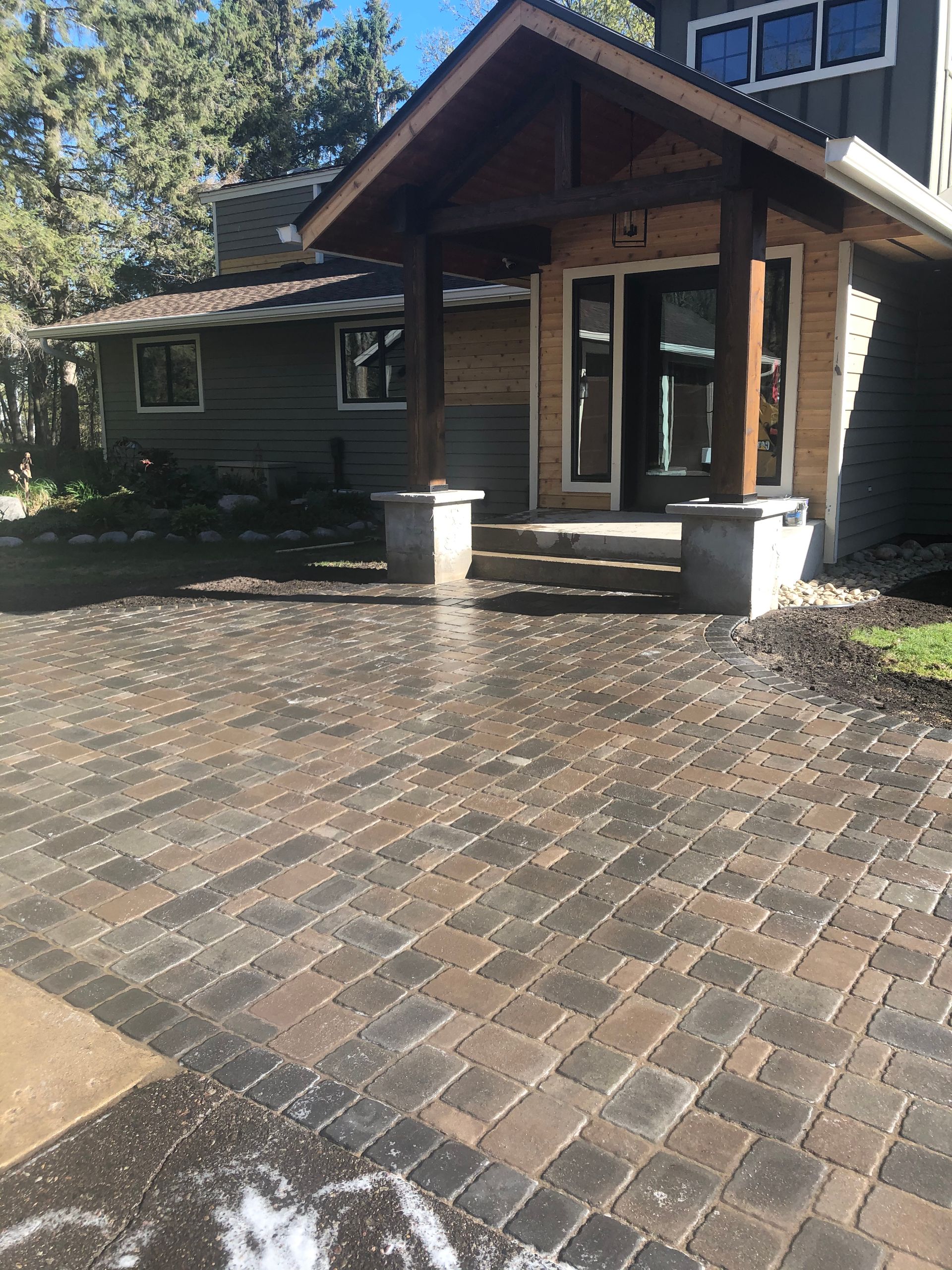
How patios and walkways are built to last
Hardscape failure is usually predictable. It’s rarely a mystery. Most of the time, the issue is under the surface. Base too shallow. Compaction skipped. Drainage ignored. The surface is just the first thing to show the consequences.
Layout and site planning
We begin with practical questions:
- What’s the space meant to do—gathering, access, grilling, circulation?
- What are the natural travel lines people already use?
- What elevations are we tying into: doors, steps, garage slab, existing grade?
- Where does water go today—and where does it need to go?
Early layout decisions prevent “almost works” installs. A walkway should feel like the easiest route, not an obstacle. A patio should sit naturally with the home, not compete with it.
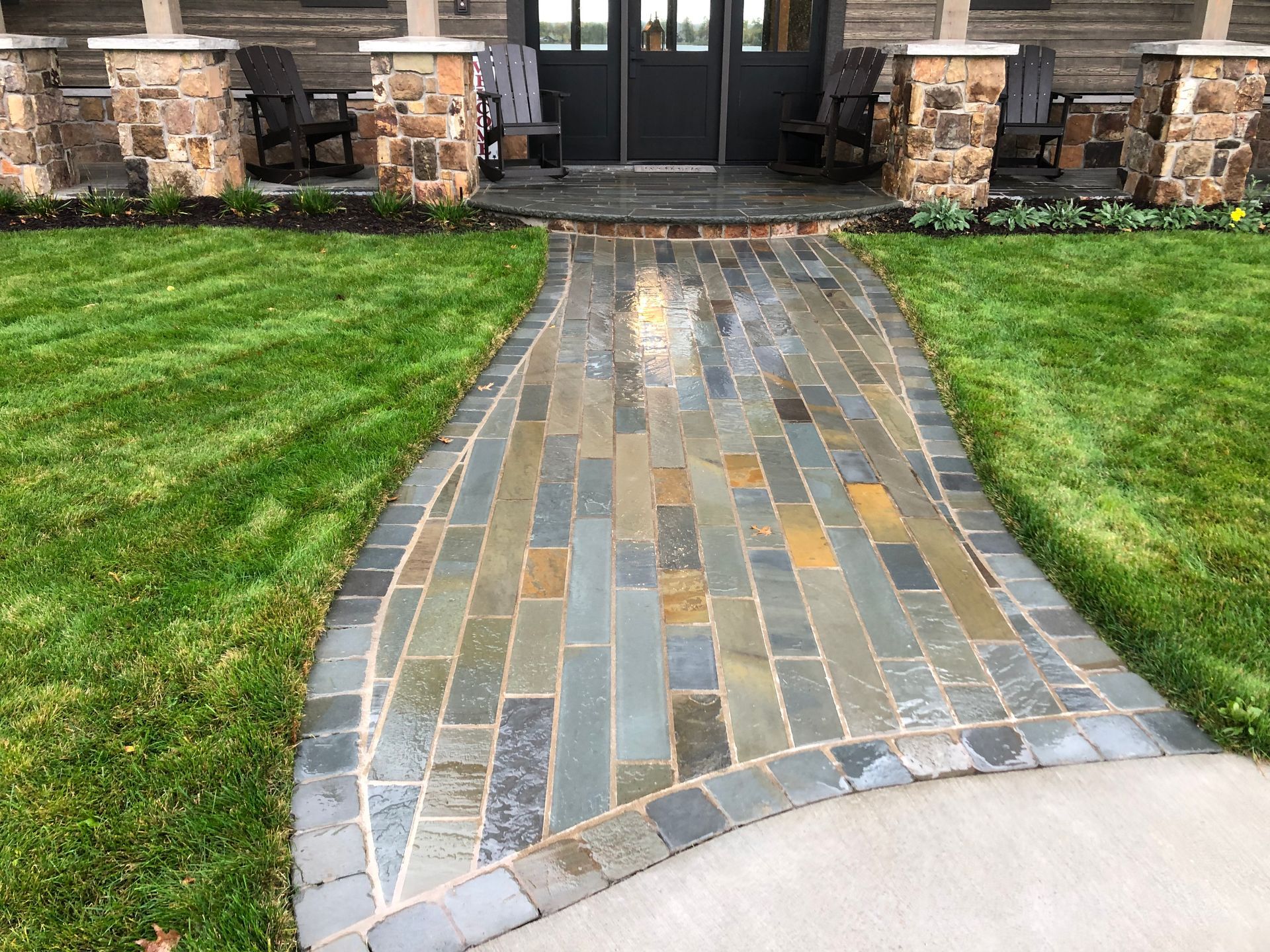
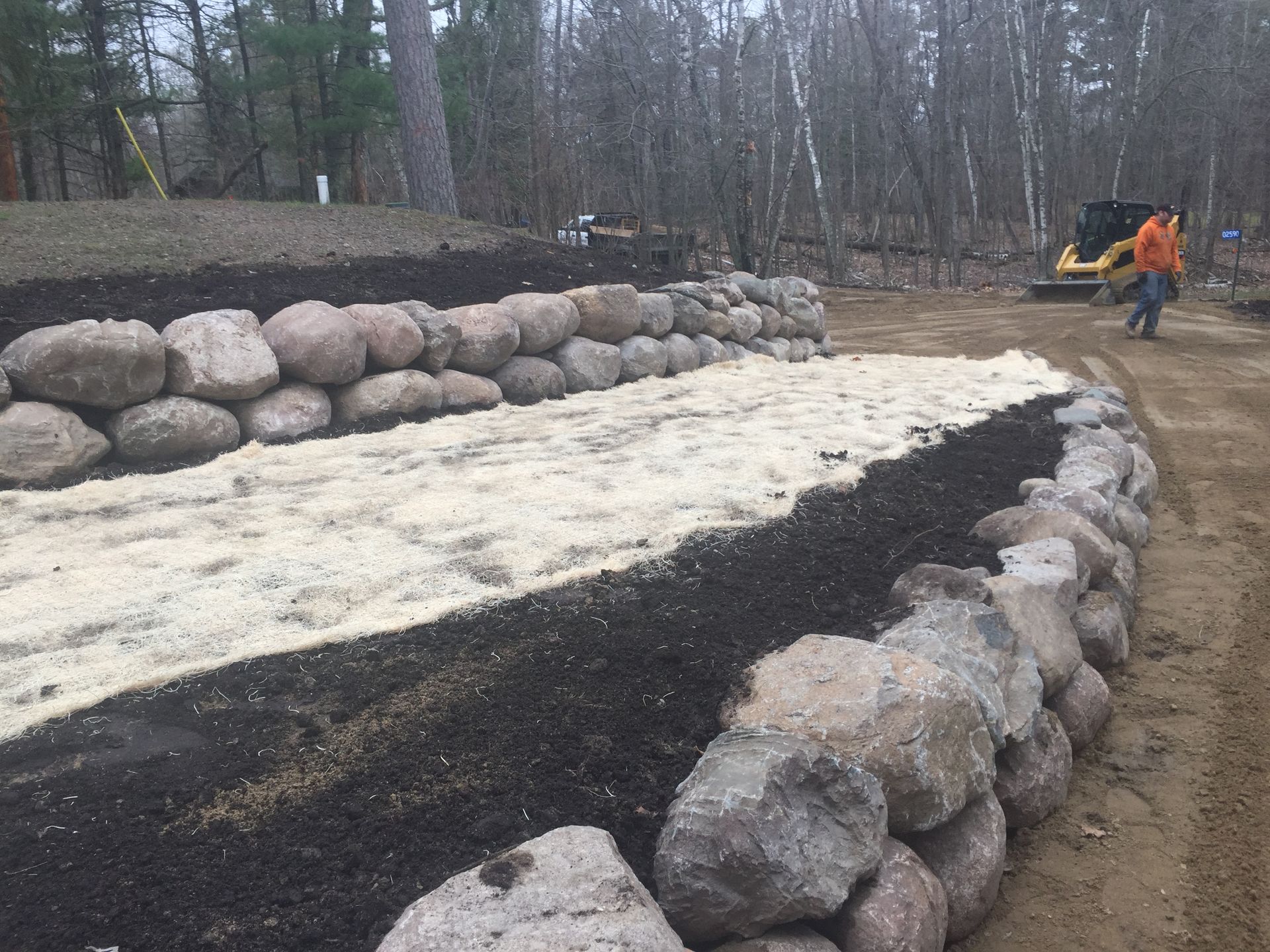
Excavation and base construction
The base is the structure. If it’s inconsistent or not compacted correctly, movement is only a matter of time.
A proper build typically includes:
- Excavating to the depth required for the intended use and site conditions
- Installing the right aggregate base material
- Compacting in layers for uniform density
- Establishing final grade so water sheds away from structures and doesn’t pond
This isn’t the exciting part of the project. It’s still the most important part.
Bedding layer and setting the surface
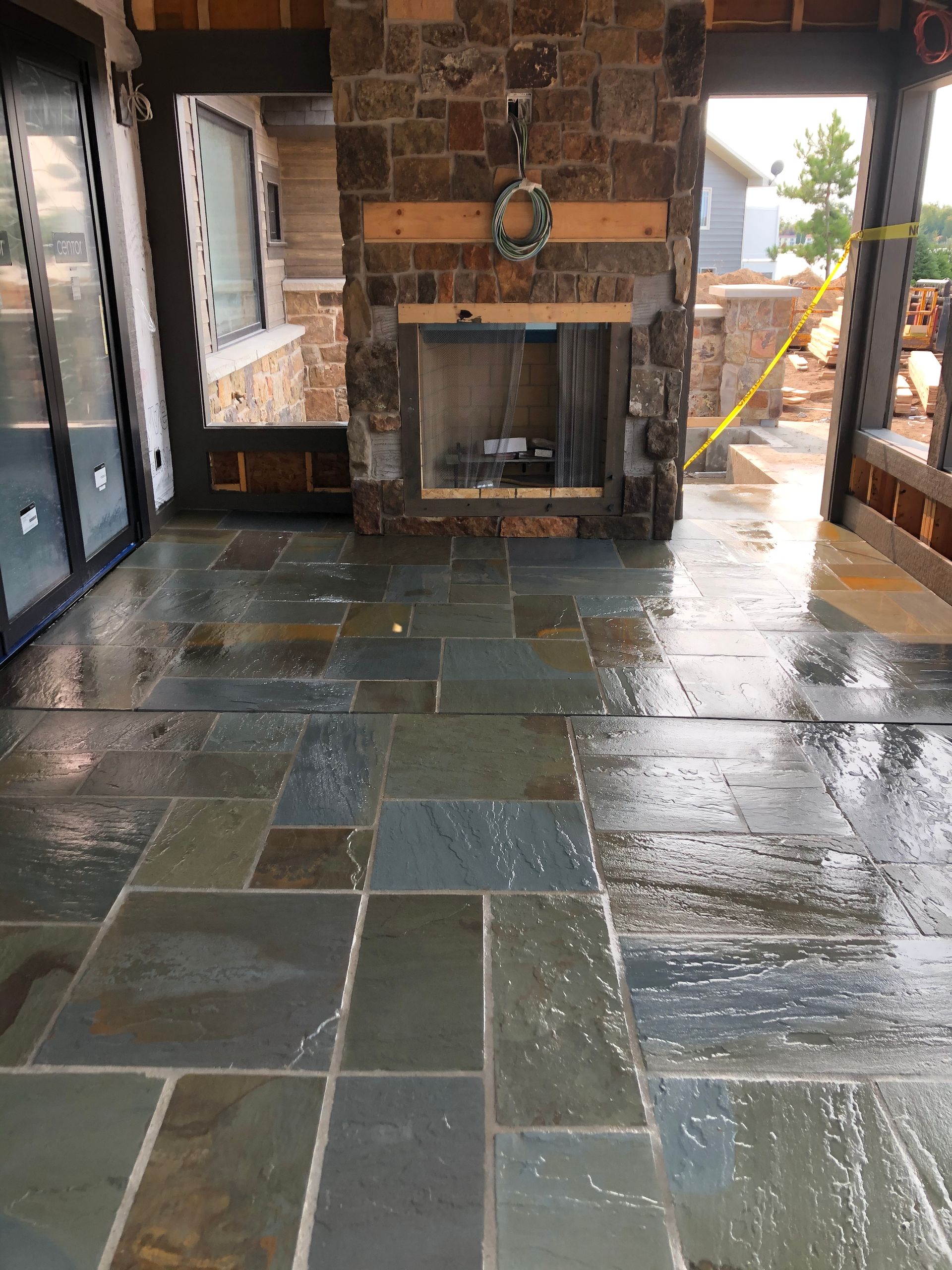
Once the base is stable and graded, we install the bedding layer and set the material. For pavers, this creates a consistent setting surface and allows the system to lock in after final compaction. For stone, the setting method depends on thickness, shape, and design.
Precision matters here—alignment, spacing, cuts, and slope. But even perfect cuts won’t save an install sitting on a weak foundation.
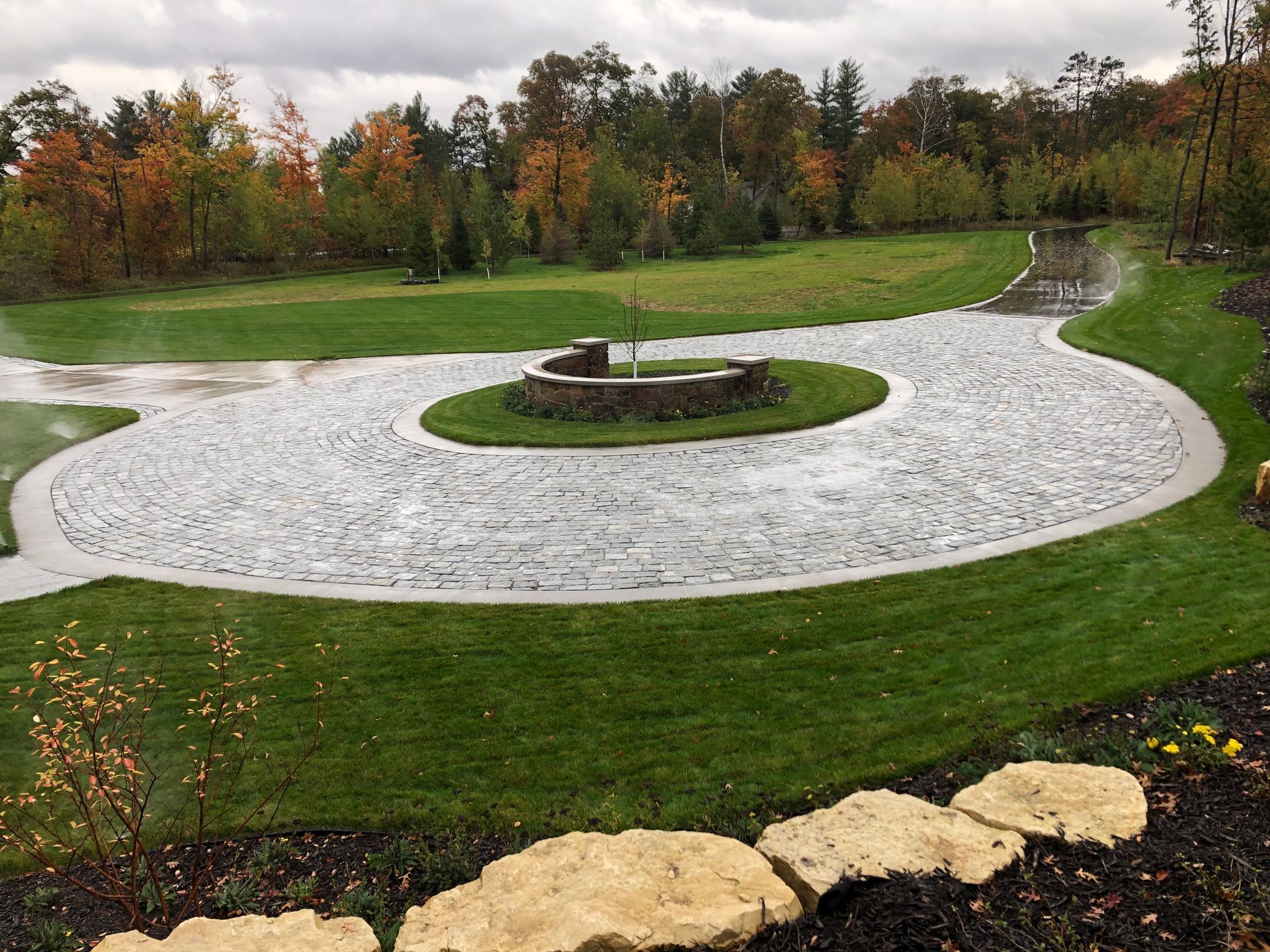
Edge restraint and joint stability
Edges are what keep the surface from “creeping.” Without strong edge restraint, pavers drift. Joints open. Then water and debris do the rest.
We install restraint so the surface stays tight, then lock joints properly so everything behaves as one system—rather than a collection of loose pieces.
Drainage and water behavior
Patios and walkways should move water predictably. Not “hopefully.” That means subtle slope, correct grading, and attention to runoff sources like downspouts and surface flow.
Most “hardscape problems” are actually drainage problems that showed up on hardscape. Fix the water behavior and the surface performs.
Material choices and what they’re best for
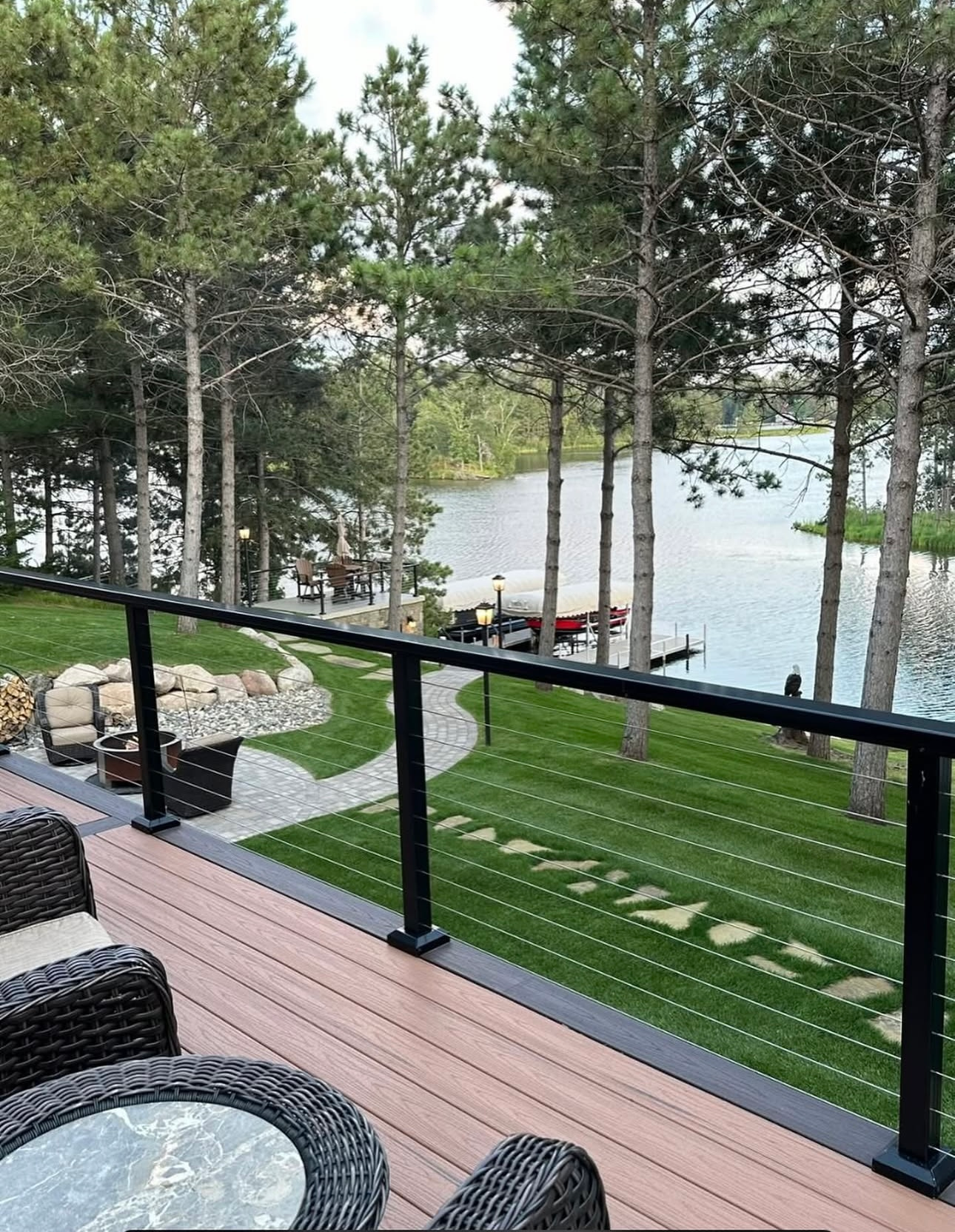
There isn’t a universal best material. The right choice depends on the look you want, how you plan to use the space, and how much maintenance you’re comfortable with.
Concrete pavers are consistent and durable. They allow clean patterns, defined borders, and easy future access if anything needs to be adjusted below grade. This is where paver patio installation is a practical choice—especially if you want a finished look that’s serviceable long-term.
Walkways are exposed to edge pressure, turning forces, and snow removal. They also tend to settle faster if base work is light.
A well-built paver walkway installation creates a stable, non-slip route that feels intentional and easy to maintain. And a properly planned paver pathway often solves daily annoyances people have learned to live with: muddy shortcuts, worn grass trails, uneven stepping stones.
Walkways are exposed to edge pressure, turning forces, and snow removal. They also tend to settle faster if base work is light.
A well-built paver walkway installation creates a stable, non-slip route that feels intentional and easy to maintain. And a properly planned paver pathway often solves daily annoyances people have learned to live with: muddy shortcuts, worn grass trails, uneven stepping stones.
Benefits you’ll notice right away—and later
Hardscape should make daily life easier. That’s the real test.
Safer, cleaner access: No more slipping on muddy grades or stepping around puddles
Less tracking and erosion: Defined surfaces reduce wear near doors and high-traffic areas
Better drainage performance: Proper slope helps prevent standing water and winter icing
More usable outdoor space: A patio creates a reliable area for seating, cooking, and gathering
Stronger landscape structure: Walkways and patios help organize the yard visually and functionally
Lower long-term maintenance: A solid base and locked edges reduce shifting, washout, and joint loss
The best part is the confidence. You stop “watching your step” in your own yard.
Common reasons people add or rebuild patios and walkways
Some projects are planned upgrades. Others happen because the property is telling you something.
The yard works, but movement doesn’t
A lot of properties have no clear path between key areas. People take the shortest route across the lawn and the trail appears on its own. Then it turns into ruts and mud.
A well-planned Walkway Installation fixes the pattern. No drama. It just makes sense.
Seating areas are unstable or always wet
If you’re trying to place chairs on uneven ground or constantly leveling a grill, a patio changes how the space functions. A proper Patio installation creates a stable platform that you can actually use without fuss.
Existing hardscape is showing age
Rocking pavers, spreading edges, settling corners, and chronic puddling usually point to base or drainage issues. Rebuilding isn’t always about making it look new. Sometimes it’s about making it work the way it should have from the beginning.
You want clearer transitions and a more finished yard
Hardscape adds structure. Beds stay contained. Traffic stays where it belongs. Lawn edges stay cleaner. It’s one of those upgrades that improves the whole property without needing constant attention.
Why customers choose CJ’s Landscaping Company LLC
Most homeowners aren’t looking for complicated. They want good work and clear communication. They want someone who understands how these systems behave after winter, not just how they look when the last paver is set.
What we focus on:
- Site-specific planning: We build to the property, not a template.
- Strong foundations: Correct excavation depth, correct base material, and real compaction standards.
- Drainage awareness: Water behavior is part of every hardscape decision.
- Clean, durable finishing: Accurate cuts, stable edges, consistent transitions.
- Practical guidance: Straight answers about maintenance, settling, and seasonal expectations.
Good hardscape should feel solid. Underfoot. Year after year/
Areas We Serve
Pequot Lakes, Outing, Fifty Lakes, Nisswa, Lakeshore, Hackensack, Crosslake, East Gull Lake, Walker, Emily, Pine River, Brainerd, Baxter, Breezy Point, Crosby
Frequently Asked Questions
How do I decide between pavers and natural stone?
Pavers are uniform, easy to repair, and provide a clean, structured look. Natural stone has more variation and a more organic feel, but it requires careful fitting and a very consistent base. The best choice depends on the style you want and how the space will be used day to day.
What causes patios or walkways to sink or shift?
Most movement comes from base issues—insufficient excavation, poor compaction, or the wrong base material. Drainage can also undermine the base over time when water repeatedly saturates the area and freezes. That cycle will expose weaknesses quickly.
Do patios and walkways really need slope?
Yes. A slight slope is what keeps water moving off the surface instead of pooling. It’s subtle enough that you won’t feel it walking, but it makes a big difference in preventing puddles and winter ice.
What factors affect the scope of a project?
Size, layout complexity, access for equipment, demolition of existing surfaces, and drainage needs all affect scope. Material choice also plays a role—more cutting and fitting typically means more time on site.
How long does installation usually take?
It depends on project size, detailing, weather, and site access. Smaller paths can move along quickly, while larger patios with borders, steps, or multiple elevations take longer because base work and finishing details can’t be rushed.
Let’s build hardscape that stays solid
If you’re ready for a surface that feels stable, drains correctly, and fits the way you actually use your outdoor space, we can help. We’ll evaluate the site, talk through materials and layout, and put together a plan that makes sense—then build it with the foundation work that keeps everything tight long after the install. Contact CJ’s Landscaping Company LLC in Pequot Lakes, MN to schedule an on-site evaluation.